External shading vs internal blackout blinds what actually works
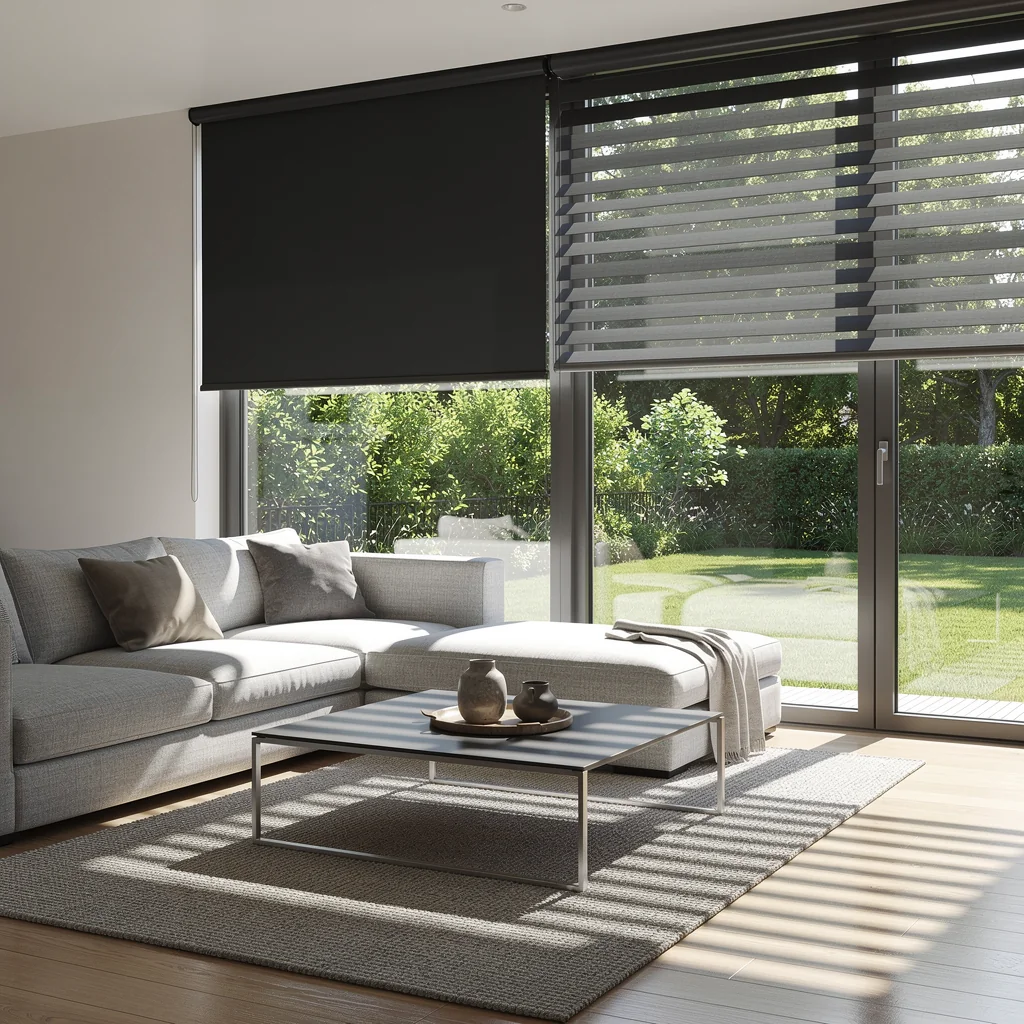
If your goal is to stop a room overheating, shade the glass from the outside. Internal blackout blinds sit behind the window, so the glass has already absorbed the sun’s heat by the time they act. Keep blackout blinds for darkness and privacy, and add external shading first if heat is the problem.
Why External Shading Beats Internal Blackout Blinds
When a room feels like an oven, the first thing to check is how the sun reaches the space. Direct solar radiation adds up to 300 W/m², heating walls, windows, and furniture before the HVAC system even turns on. An external shading device intercepts that energy before it enters the building envelope, reducing heat gain dramatically.
- Solar control – Overhangs, pergolas, and external awnings block the sun’s rays while still allowing daylight to filter in.
- Energy savings – By cutting heat at the source, you lower the cooling load, often saving 10‑30 % on air‑conditioning electricity.
- Longevity – External solutions protect windows from UV‑induced fading and seal deterioration.
When Blackout Blinds Still Have a Role
Internal blackout blinds excel at light blockage and privacy, making them ideal for bedrooms, home theatres, or any space where darkness is a priority. They also help:
- Reduce glare on screens and work surfaces.
- Provide a modest insulating layer (especially when combined with a reflective backing).
- Offer quick, user‑controlled adjustment without needing to step outside.
However, because they sit behind the glass, they cannot stop the solar heat that has already warmed the window pane and surrounding frame. The result is a warm room that still requires the air‑conditioner to run.
Choosing the Right Solution
| Goal | Best Choice |
|---|---|
| Prevent overheating | External shading (overhangs, external blinds, pergolas) |
| Create darkness for sleep or media | Internal blackout blinds |
| Combine both benefits | Install external shading first, then add blackout blinds for night‑time privacy |
Bottom line: If your primary aim is to stop a room from overheating, start with an external shading strategy. Add blackout blinds later if you need total darkness or extra privacy. This two‑step approach delivers the most efficient cooling while keeping your home comfortable year‑round.
Sources
- Energy Saving Trust – How to keep your home cool in hot weather – closing blinds and curtains when the sun is on the window, and solar film for sunny windows
- GOV.UK – Beat the heat: staying safe in hot weather – keeping your home cool by closing curtains in rooms that face the sun
- GOV.UK – Overheating: Approved Document O – building guidance on limiting solar gain through glazing (applies to new homes in England)
Last reviewed: 15 October 2026