How to prepare your home for a UK heatwave
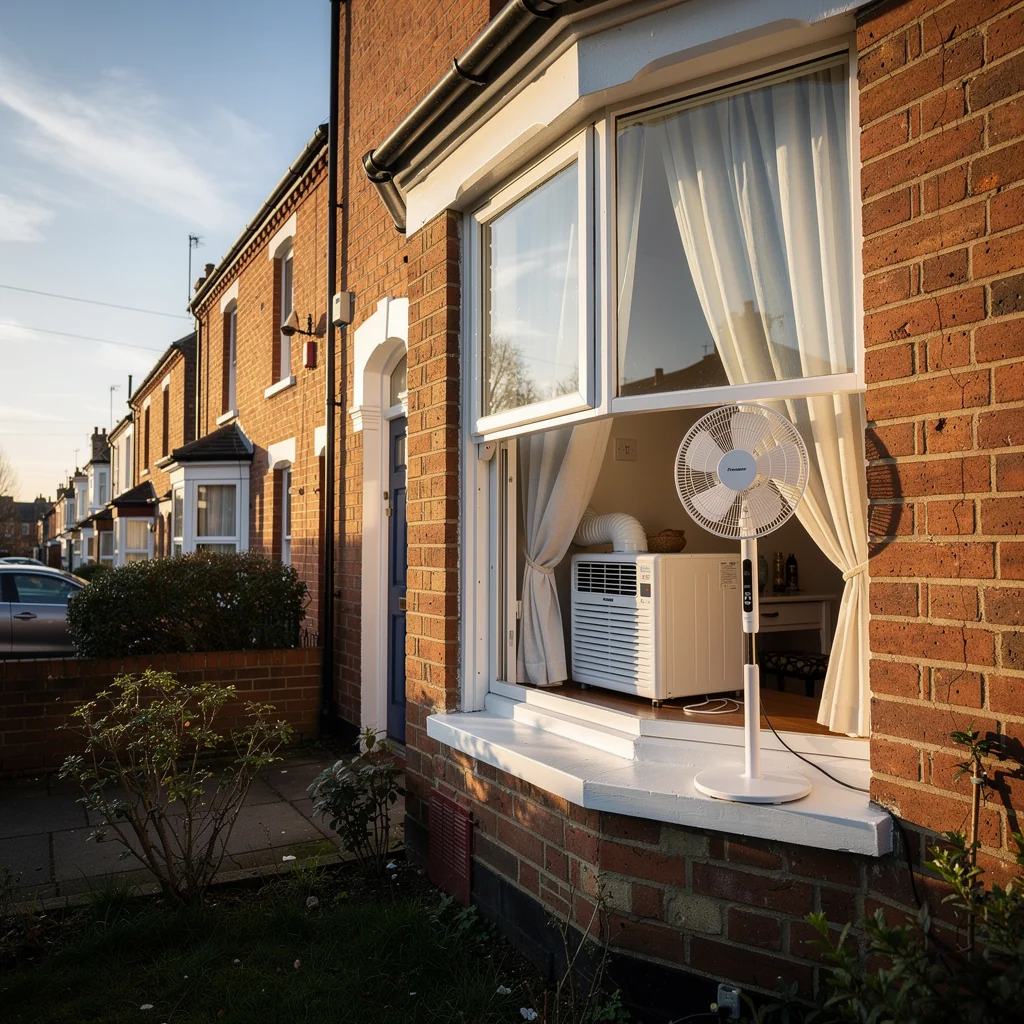
Keep the heat out first: close curtains and blinds on windows the sun is shining on, and shade glass from the outside where you can. Keep windows shut while it is hotter outside than in, then open them when the air cools, usually at night or early in the morning, if it is safe to do so. Fans help you feel cooler but do not lower the room temperature, and older people, babies and anyone with a health condition are most at risk, so check on them.
Room‑by‑room strategy
Start with the rooms you use most.
- Living room – Close curtains or blinds as soon as the sun shines on the windows, and only open them once the sun has moved away. Light‑coloured, lined curtains reflect more heat than dark, thin ones.
- Bedroom – Keep the door and windows closed during the day while it is hotter outside than in. In the evening, once the air outside is cooler, open the windows and place a fan near one so it moves air through the room.
- Kitchen – Avoid using the oven and other heat‑producing appliances during the hottest part of the day. Use a microwave or a lidded pan on the hob where you can.
Shading and keeping the sun out
- External shading – Shading glass from the outside works better than shading it from the inside. Awnings, external shutters and external blinds stop the sun heating the glass at all, especially on south‑ and west‑facing windows.
- Solar window film – Reflective solar film reduces the heating effect of sunlight through the glass. Prioritise the windows that get the most sun.
- Internal curtains and blinds – If you cannot shade from outside, keep curtains and blinds closed while the sun is on the window. This is less effective than external shading, but it still helps.
- Insulation – Good loft and wall insulation slows heat getting in during summer as well as out during winter. It is a longer‑term job, but it helps all year.
Energy and bills
- Off‑peak habits – Run washing machines and dishwashers in the evening or overnight if your tariff rewards it. This also keeps their heat out of your home at the hottest time of day.
- Fans first – A fan costs pennies a day to run, compared with several pounds for a portable air conditioner, so try one before anything else.
- Portable AC venting – If you do need a portable air conditioner, seal the gap where the exhaust hose leaves the window so hot air cannot leak back in.
Night‑time cooling
Open windows when it is cooler outside than inside, usually late evening to early morning, and open them on opposite sides of the home if you can so air flows through. Close them again in the morning before the day heats up. Use light, breathable bedding, and only open windows at night if it is safe and secure to do so.
Look out for people at higher risk
Older people, babies and young children, and people with long‑term health conditions are more likely to become unwell in hot weather. Check on family, friends and neighbours, make sure they have cold drinks and a cooler room to rest in, and follow NHS and UKHSA advice if anyone feels unwell.
Sources
- GOV.UK – Beat the heat: staying safe in hot weather – closing curtains in sun‑facing rooms and checking on people at higher risk
- NHS – Heatwave: how to cope in hot weather – keeping your living space cool and staying safe in the heat
- Energy Saving Trust – How to keep your home cool in hot weather – when to open and close windows, solar film, fans and running costs
Last reviewed: 15 October 2026