Portable AC vs air cooler: don’t buy the wrong type of cooler
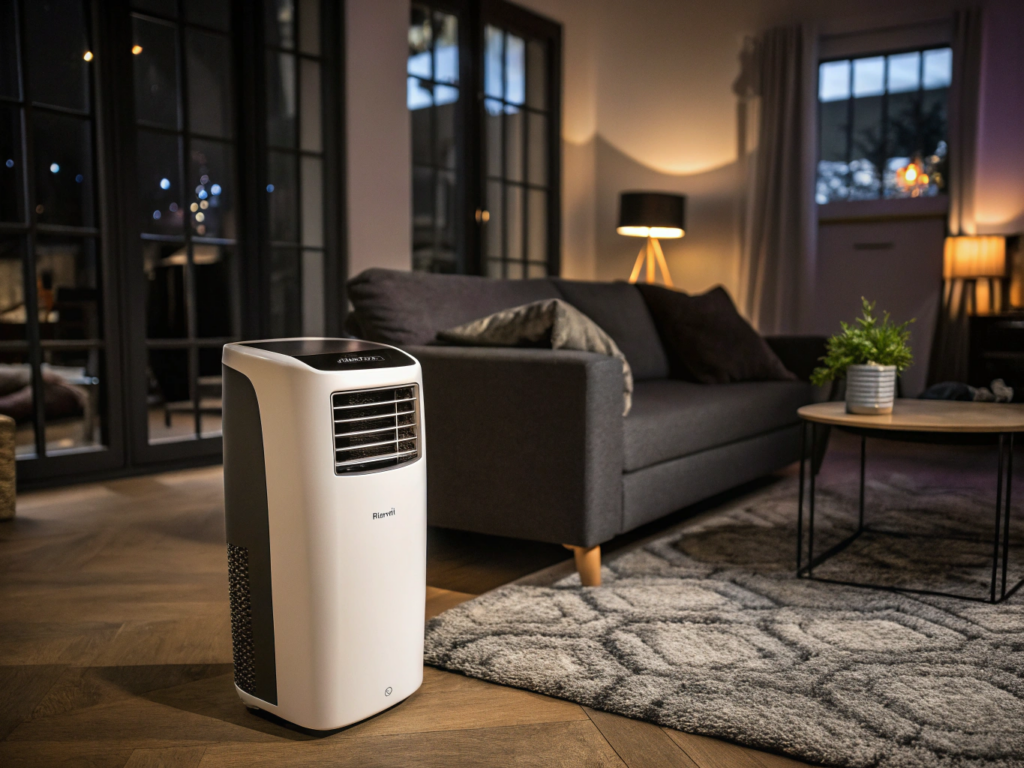
A portable air conditioner uses refrigeration and vents heat outdoors, so it can lower the temperature of a room. An air cooler, also called an evaporative cooler, passes air over water and adds moisture to the air. It costs less to run, but it solves a different problem. Choose by what you need: airflow, personal cooling or a cooler room.
They are not the same product
Products described online as an air cooler, an evaporative cooler, a personal cooler or a “mini air conditioner” are often not refrigerant air-conditioning units. Similar names and similar-looking boxes make them easy to confuse.
These products are not automatically bad. They simply solve a different problem, and the disappointment usually comes from buying one while expecting the other.
What a portable air conditioner does
- It extracts heat from the indoor air.
- It uses a refrigeration cycle to do this.
- The heat is transferred to the outside side of the unit.
- It is exhausted outdoors through a hose.
Because the heat leaves the room, a genuine air conditioner can reduce the actual room temperature. The trade-offs are:
- a higher purchase price;
- more electricity use;
- more noise;
- an exhaust hose to fit at a window;
- a larger appliance.
What an evaporative air cooler does
An evaporative cooler passes air across water or a wet medium. As the water evaporates, it cools the air close to the unit. Compared with a portable air conditioner, the advantages are:
- a typically lower upfront cost;
- lower energy use;
- lighter and easier to move;
- simpler to set up;
- no large exhaust hose.
It adds moisture to the air and its performance depends strongly on environmental conditions. The Energy Saving Trust advises keeping rooms well ventilated when using one, for this reason.
Why that matters in the UK
Evaporative cooling generally works better in drier conditions. In warm, humid conditions the air can absorb less additional water, which limits how much cooling evaporation can provide.
That does not mean an air cooler is useless in a British home. It means you should expect a modest, local effect rather than a cooler whole room, especially on a muggy day.
What about mini “personal AC” products?
Check what the product actually is before you buy. Small USB or tabletop devices that have:
- a water tank;
- no compressor;
- no exhaust hose;
are generally personal evaporative coolers rather than proper air conditioning. That is a description, not a criticism: they can be a reasonable way to feel a little cooler at a desk. The point is to know what you are paying for.
Which should you buy?
Choose an air cooler if:
- you want lower-cost personal cooling;
- you’re close to the appliance;
- electricity use is very important;
- you understand the limitations.
Choose portable AC if:
- the room temperature genuinely needs to fall;
- the bedroom stays hot late at night;
- you can vent heat outdoors;
- you’re comfortable with higher running cost and noise.
See recommended portable air conditioners →
Choose a fan if:
- moving air is enough;
- low running cost matters;
- quiet operation matters;
- actual temperature reduction is unnecessary.
For more on this choice, read Fan vs portable air conditioner: which is better for a hot UK bedroom? →
See recommended fans →
Price should not decide the technology
A cheaper product is only better value if it solves the problem.
Buying an inexpensive air cooler and later replacing it with an air conditioner can cost more overall than working out what you need first.
Need airflow? Buy a fan.
Need personal evaporative cooling? Consider an air cooler.
Need actual room-temperature reduction? Consider portable AC.
Bottom line
Air coolers and portable air conditioners use different technologies and should not be treated as interchangeable products. Decide which problem you are solving first, then choose the type of product that fits it.
Sources
- Energy Saving Trust – How to keep your home cool in hot weather – how evaporative air coolers and portable air conditioners work, their relative running costs, and ventilation advice when using an evaporative cooler
Last reviewed: 15 October 2026