Why modern newbuild flats overheat and how to manage it
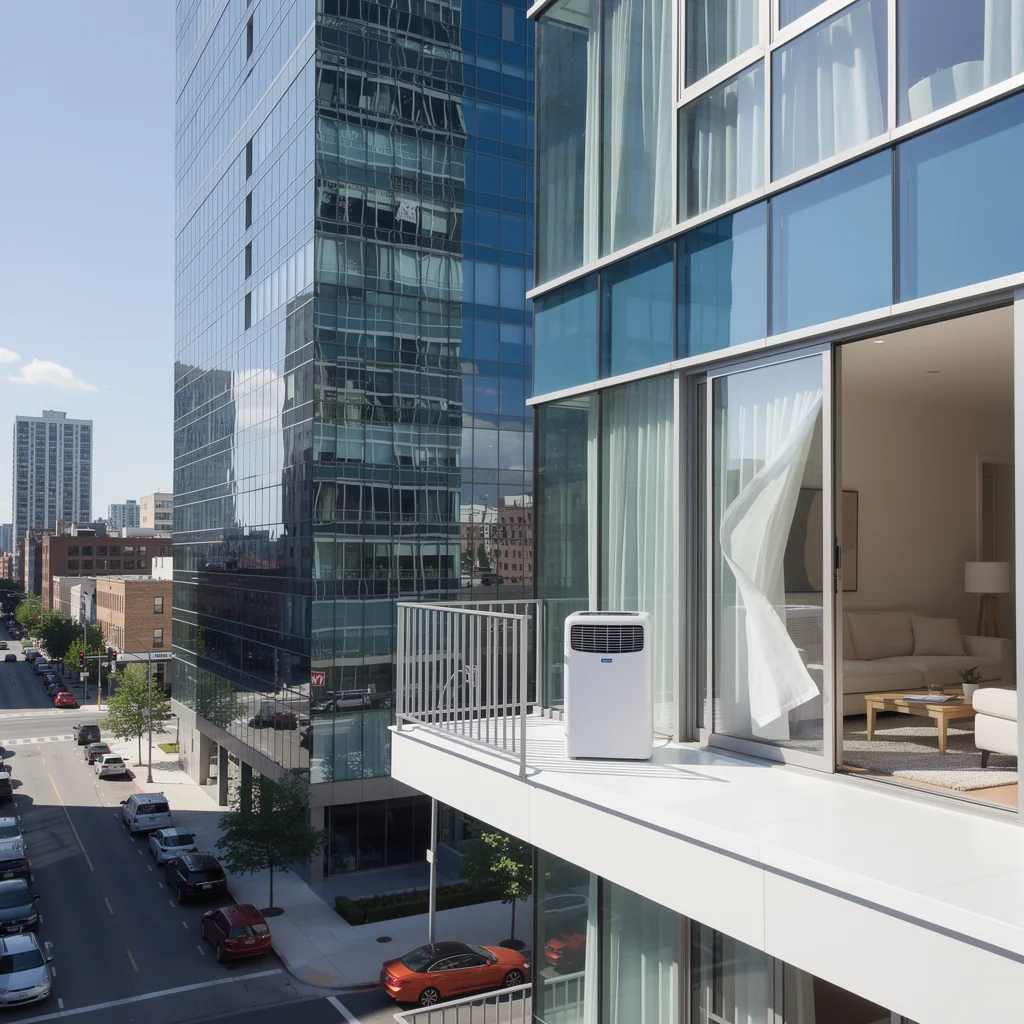
New-build flats overheat because airtight construction, large areas of glass and little shading trap heat, especially when the flat only has windows on one side. Shade the glass, open windows when the air outside is cooler, and use fans to keep air moving. Building rules for overheating only cover new homes in England built since 2022, so older new-builds may have no such protection.
Why Modern New‑Build Flats Overheat
Modern flats are often praised for their sleek design and energy efficiency, yet many owners experience uncomfortable heat buildup. The main culprits are tight building envelopes, insufficient shading, and limited natural ventilation. When these factors combine, indoor temperatures can soar well above the outdoor temperature, especially during summer heatwaves.
Key Reasons for Overheating
- Airtight construction – To meet energy‑performance standards, developers seal every gap, reducing drafts but also trapping warm air inside.
- Large glass façades – Floor‑to‑ceiling windows let in abundant sunlight, turning rooms into solar ovens if not properly shaded.
- Poor shading – Over‑looking balconies, lack of external awnings, or reflective roofing materials amplify heat gain.
- Inadequate ventilation – Many new builds rely on mechanical ventilation systems that are either undersized or poorly maintained, limiting fresh‑air exchange.
Simple Strategies to Keep Cool
- Use reflective window films – These reduce solar gain without sacrificing natural light.
- Install external shading – Simple awnings, pergolas, or even strategic planting of vines can cut heat ingress dramatically.
- Maximise cross‑ventilation – Open windows on opposite sides of the flat to create a natural airflow path; use fans to boost circulation.
- Employ portable evaporative coolers – Ideal for small spaces, they add moisture to the air and lower perceived temperature.
- Upgrade ventilation – If possible, replace or service the built‑in extractor fans and consider a heat‑recovery ventilator (HRV) for continuous fresh air without losing heat in winter.
Long‑Term Solutions
For owners looking beyond quick fixes, consider smart thermostatic radiator valves and zoned heating controls to prevent overheating in unused rooms. Pairing these with energy‑efficient air‑conditioning units that feature inverter technology can provide reliable cooling while keeping electricity bills in check.
By understanding the root causes and applying a mix of passive and active measures, residents of new‑build flats can enjoy a comfortable indoor climate even during the hottest months.
Sources
- GOV.UK – Overheating: Approved Document O – building regulations on limiting solar gain and removing excess heat; applies to new residential buildings in England from 15 June 2022
- GOV.UK – Beat the heat: staying safe in hot weather – keeping your home cool and checking on people at higher risk
- Energy Saving Trust – How to keep your home cool in hot weather – solar window film, evaporative coolers and when to open windows
Last reviewed: 15 October 2026